





Wood tools for surface finishing of wood and wood-based materials
Woodworking tools are used to prepare the surfaces of solid wood, wood-based materials, and composite materials for further processing or their final state. Depending on the material, surface quality, and requirements, different tool solutions are used for sanding, texturing, intermediate sanding before varnishing, or finishing.
The surface finishing of wood places special demands on tools and processes. Varying material densities, changing grain directions, and machining marks from upstream processes all influence the finishing result. At the same time, raised fibers, uneven surface structures, or differences in coating uptake can impair the quality of subsequent work steps. The goal of the finishing process is therefore to produce a defined surface condition with reproducible properties in terms of appearance, feel, and further processing.
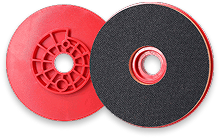
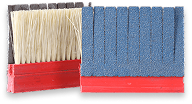
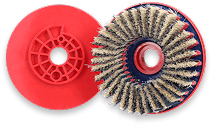
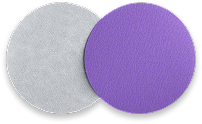
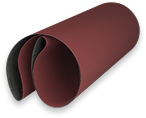
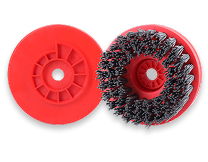
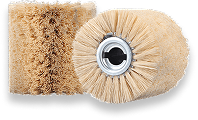
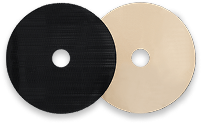
In the sanding process, abrasive cloth belts, sandpaper belts, flexible sanding discs, and grinding stars are used to smooth milling and machining marks and create a uniform surface. For texturing, disc brushes and spiral round brushes are used to selectively brush out softer wood components and highlight the natural grain. Fine abrasives and abrasive fleeces are used for intermediate lacquer sanding to remove raised fibers and minor surface irregularities between the individual coating layers. In the surface finishing stage, abrasive fleeces and fine abrasive tools ensure the desired final appearance and a uniform surface finish.
The selection of the appropriate woodworking tool depends on the material, surface condition, and desired outcome. While pre-sanding focuses on controlled material removal, texturing emphasizes the wood grain. Intermediate sanding improves the quality of the finish, while the final finish determines the ultimate surface appearance.
The coordinated use of woodworking tools results in uniform surfaces, reproducible coating adhesion, and high-quality optical and tactile properties. At the same time, rework and scrap are reduced, and stable subsequent processes in industrial woodworking are ensured.